
Retina Surgery in Patna: What Patients Need to Know
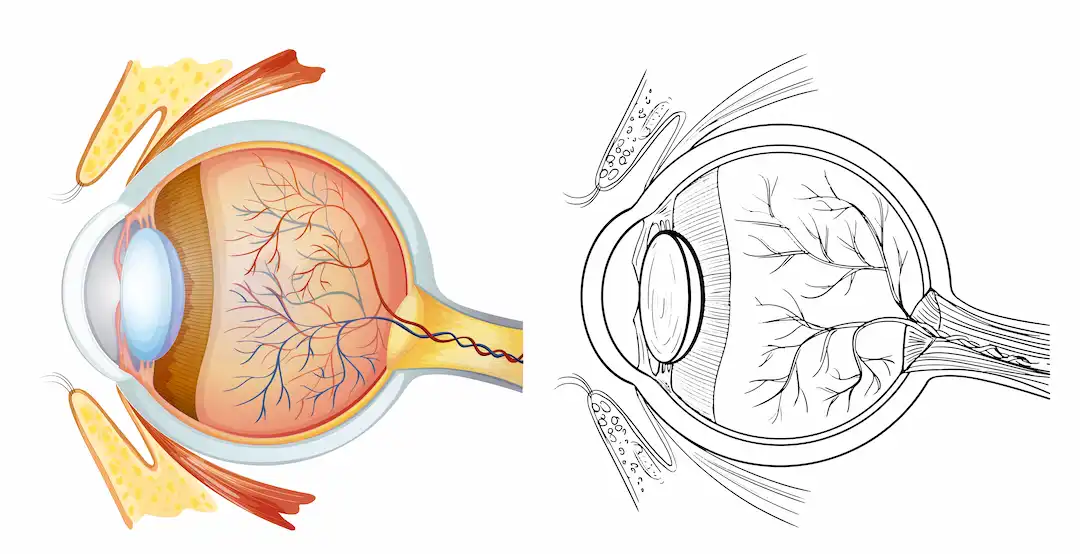
We all know how precious our eyes are. They help us see smiles, colors, books, and the little joys of life but when something goes wrong with the eyes, especially the delicate retina, it can feel worrying and confusing. Many families in Patna face this concern and wonder — “What will happen if the retina needs surgery?”
The good news is, retina problems can be treated successfully if caught on time. Retina surgery not only saves vision but also brings back clarity and brightness to life. Understanding this topic is important because it gives you the confidence to notice early signs, seek the right help and trust the process of treatment.
In this blog, we’ll gently walk you through what the retina is, why it sometimes needs surgery, the safe treatments doctors use, how to prepare, and what recovery looks like. You’ll also learn simple eye health tips to follow, get guidance from the best eye care advice from Patna doctors, and see why choosing the best hospital for eye treatment in Patna makes all the difference. Think of this blog as a friendly guide, holding your hand and showing you how modern care brings light back into people’s lives.
Understanding the Retina
The retina is like the film in a camera — it captures light and helps create the pictures we see. Any problem with the retina affects vision directly. Retinal issues can develop due to age, diabetes, injury or infections. Some conditions may even appear in children.
When Does the Retina Need Help?
Sometimes the retina gets sick or injured. Here are a few common problems:
- Retinal Detachment: The retina moves away from its place, like wallpaper peeling off the wall.
- Diabetic Retinopathy: Too much sugar in the blood can damage the tiny blood pipes in the retina.
- Macular Hole: A small hole forms in the center of the retina, making vision blurry.
- ERM: A thin layer grows over the retina, making things look wavy.
When these problems grow, surgery is needed to save eyesight.
How Do Doctors Fix the Retina?
Doctors who treat the retina are very skilled and kind. They use special surgeries such as:
- Vitrectomy – removing the jelly inside the eye and replacing it with clear fluid or air.
- Scleral Buckle – gently pressing the wall of the eye to hold the retina in place.
- Laser Surgery – using a tiny light beam to close small holes or leaking blood vessels.
- Gas Bubble Treatment – placing a bubble inside the eye to push the retina back where it belongs.
These may sound scary, but doctors explain everything carefully to make patients feel safe. Modern machines used in specialized eye treatments in Patna make these surgeries smoother and faster.
Who Needs Retina Surgery?
Not everyone with a retina problem needs surgery. Some early stages can be managed with medicines or laser treatment. Surgery is recommended when:
- There is retinal detachment
- Bleeding inside the eye blocks vision
- A macular hole or pucker is affecting daily activities
- Severe diabetic retinopathy causes retinal detachment
If you have sudden flashes, floaters or blurred vision, seek immediate care. Quick action can save your eyesight.
Preparing for Retina Surgery
Doctors guide patients step by step before surgery. Here’s what usually happens:
- Eye Examination: Retinal scans and tests to understand the problem.
- Medical Review: Checking diabetes, blood pressure or other health conditions.
- Instructions: Some medicines may need to be stopped before surgery.
- Counseling: Doctors explain what to expect, so patients feel confident.
At Navjyoti, families receive the best eye care advice from Patna doctors, ensuring safety and comfort before surgery.
The Surgery Experience
Retina surgeries are usually performed under local or general anesthesia and depending on the case, they may take one to three hours. Patients are monitored closely and modern equipment ensures precision.
Recovery After Retina Surgery
Healing depends on the type of surgery and overall health. Here’s what patients can expect:
- Mild Discomfort: Some irritation, redness or watering is common.
- Positioning: In surgeries involving gas bubbles, patients may need to keep their head in a specific position for days or weeks.
- Eye Drops: Doctors prescribe drops to prevent infection and aid healing.
- Follow-ups: Regular checkups are essential to track recovery.
Most people notice gradual improvement in vision, though full recovery may take weeks or months. With proper care, many patients regain useful vision.
Risks and Safety
Like any surgery, retina surgery has some risks: infection, bleeding, or cataract formation but with advanced eye surgery in Patna, risks are reduced significantly. Choosing an experienced hospital makes a big difference.
Why Choose Navjyoti for Retina Surgery?
Navjyoti Superspeciality Eye Hospital is trusted as the best hospital for eye treatment in Patna because:
- Experienced retina specialists
- Modern machines for safe, precise surgeries
- Friendly and supportive care for families
- A complete list of eye services in Patna, from checkups to advanced surgeries
- Focus on long-term preventive eye care in Patna so patients can avoid future complications
Navjyoti also shares knowledge through cataract treatment blogs and guides, helping people stay informed about eye health. Patients looking for information on laser vision correction can also find helpful LASIK facts in our resources.
Living After Retina Surgery
Life after surgery can be normal with a few adjustments:
- Avoid heavy lifting for a few weeks
- Use prescribed eye drops regularly
- Protect your eyes from dust and bright sunlight
- Eat a balanced diet to support eye healing
- Attend all follow-up visits
For diabetic patients, controlling sugar levels is very important to prevent further retinal damage.