
The Great Indian Eye Surgery Myth-Buster: 21 Lies That Are Delaying Your Treatment and Ruining Your Vision
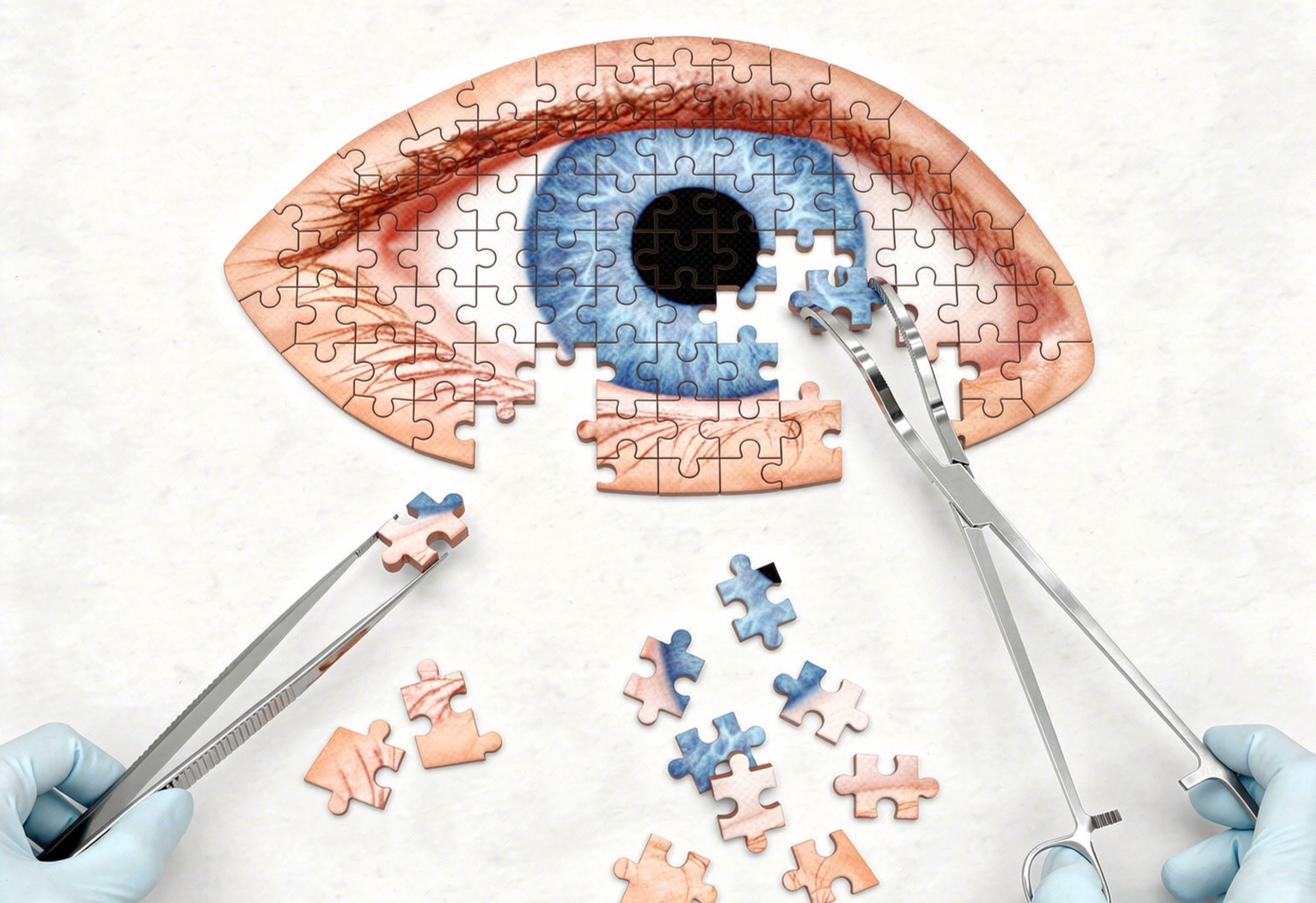
In my years of practice at Navjyoti Superspeciality Eye Hospital, I have realized that I am not just fighting diseases like Cataract and Diabetic Retinopathy. I am fighting a third, invisible enemy: Folklore.
India is a land of traditions, and while many traditions are beautiful, some regarding health are outdated and dangerous. In every household in Patna, there is an “Elder” or a “Neighbor” who confidently gives advice on eye surgery that has no basis in medical science.
“Don’t operate in the summer, the heat will melt the lens.”
“If you eat spicy food, your eye will bleed.”
“Once you touch the retina, the eye is finished.”
These myths are not harmless. They cause patients to delay urgent retinal surgeries. They cause diabetic patients to fear lasers. They cause cataract patients to live in darkness for years waiting for the “right season.”
Today, I am going to systematically dismantle these myths. We are going to separate the “Old Wives’ Tales” from modern “Evidence-Based Medicine.” This is your ultimate guide to the truth about eye surgery in 2025.
Part 1: The “Timing and Season” Myths
The most common reason patients in Bihar delay surgery is the calendar. Let’s clear the air.
Myth 1: “Eye Surgery Should Only Be Done in Winter.”
The Origin: Fifty years ago, before air conditioning and advanced antibiotics, the risk of infection was slightly higher in the hot, humid monsoon months because sweat could enter the eye.
The Truth: Today, you live in an environment with fans and AC. Our operation theaters are temperature-controlled sterile zones. We use advanced prophylactic antibiotics.
The Reality: A cataract doesn’t check the weather forecast. If you wait 6 months for winter, your cataract might harden (mature), making the surgery more difficult and recovery slower. Retinal detachments certainly won’t wait for winter—they will blind you in a week.
The best time for surgery is when you need it.
Myth 2: “I Should Wait Until the Cataract is ‘Ripe’ (Pak Jaye).”
The Origin: In the era of old “ECCE” surgery (large incision), doctors needed the lens to be hard to remove it in one piece.
The Truth: This is the most dangerous myth. In the modern Phacoemulsification era, we want the cataract to be soft.
The Risk: A “ripe” or hyper-mature cataract becomes rock hard. To break it, we have to use more ultrasound energy, which causes more swelling (corneal edema) and a longer recovery. Worse, a ripe cataract can burst, causing high pressure (Glaucoma) or inflammation. Treat it early, treat it safely.
Myth 3: “I Am Too Old for Retina Surgery.”
The Truth: We successfully perform surgeries on patients in their 80s and 90s. Retinal surgery is done under local anesthesia; it does not put stress on the heart or lungs like general surgery does. Quality of life matters at every age. If a 90-year-old can see their great-grandchild, the surgery is a success.
Part 2: The “Kitchen and Diet” Myths
Indian families show love through food restriction. The moment someone has surgery, the “Khichdi Diet” begins.
Myth 4: “I Cannot Eat Roti or Hard Food After Surgery.”
The Origin: People think chewing hard food will shake the eye.
The Truth: Your eye is not that fragile! Modern cataract incisions are 2.2mm and self-sealing. Chewing roti, toast, or fruits will not open the wound. You can eat your normal diet immediately.
Myth 5: “Spicy Food Will Cause Bleeding in the Eye.”
The Truth: Unless you are rubbing chilli powder directly into your eye, spicy food does not affect the retina or the lens. However, if you have severe acidity or constipation that makes you strain on the toilet, that is a problem. Eat a balanced diet to ensure smooth digestion, but don’t starve yourself on boiled food.
Myth 6: “Diabetes Patients Cannot Have Cataract Surgery.”
The Truth: This is false. Diabetics must have cataract surgery, often earlier than others. However, the control of diabetes matters. We need your blood sugar to be stable (ideally random sugar under 180-200 mg/dL) to prevent infection. We manage this at Navjyoti by coordinating with your physician.
Part 3: The “Lifestyle and Activity” Myths
“Doctor, when can I cook? When can I watch TV?”
Myth 7: “I Must Lie in a Dark Room for 7 Days.”
The Origin: Old surgeries required huge stitches and bed rest.
The Truth: You can sit up, walk around, and interact with family immediately. You don’t need a dark room. You just need to wear your protective dark glasses to prevent glare and accidental rubbing.
Myth 8: “Cooking on a Gas Stove Will Melt the Lens.”
The Truth: The heat from a domestic gas stove is not hot enough to melt a medical-grade polymer lens inside your eye!
The Caution: The real risk is the smoke, steam, or hot oil spluttering into the eye. We advise staying away from the direct “chhonk” (tempering) for 1 week. But you can certainly make tea or do light cooking after a few days.
Myth 9: “Watching TV or Mobile Will Strain the Operated Eye.”
The Truth: You can watch TV the same evening after cataract surgery. It does not damage the physical wound. However, your eye might feel a bit watery or tired sooner than usual. This is “brain fatigue,” not eye damage. Listen to your body—watch for 30 minutes, then rest.
Myth 10: “I Cannot Bathe for a Month.”
The Truth: Hygiene is crucial! You can take a body bath (neck down) from Day 1. You can wipe your face with a wet towel. We only ask you to avoid pouring mug-water directly over your head for 1 week to prevent tap water (which has bacteria) from entering the healing eye.
Part 4: The “Laser and Glass” Myths
Technology is often misunderstood, leading to fear.
Myth 11: “Laser Treatment for Retina Burns the Eye and Weakens Vision.”
The Truth: In diabetic retinopathy, we use laser (PRP) to destroy the peripheral (side) retina which is sick, to save the central vision.
The Reality: Yes, you might lose a little side vision or night vision. But the alternative is total blindness from a retinal bleed. The laser is not “burning” your sight; it is cauterizing a wound to save the organ.
Myth 12: “If I Get the Expensive Lens, I Will Never Need Glasses Again.”
The Truth: Premium lenses (Multifocals/Trifocals) are amazing. They reduce dependence on glasses by 90-95%. But they are not “Magic.”
The Nuance: You might still need thin glasses for very fine print (like a medicine bottle) or for driving at night in rain. Setting realistic expectations is key. No artificial lens is 100% equal to the natural eye of a 20-year-old.
Myth 13: “Lasik Surgery is Only Cosmetic.”
The Truth: For someone with high power (-8, -10), Lasik is functional, not just cosmetic. High-powered glasses distort peripheral vision and shrink the image size. Removing that power allows the patient to see the world in its true size and navigate safely.
Part 5: The “Scary” Myths (Retina Specific)
Retina surgery scares people more than cataract surgery. Let’s fix that.
Myth 14: “If You Touch the Retina, You Will Go Blind Eventually.”
The Truth: This myth comes from 30 years ago when we didn’t have advanced machines. Today, with 25-Gauge and 27-Gauge Micro-Incision Vitrectomy Surgery (MIVS), the success rate of retinal re-attachment is over 90% in timely cases.
The Context: If a patient goes blind after surgery, it is usually because the disease (diabetes/trauma) was too advanced, not because the surgery caused it.
Myth 15: “The Injection in the Eye (Anti-VEGF) is Excruciatingly Painful.”
The Truth: The eye surface is numb. You feel pressure, not pain. It takes 3 seconds. The fear is psychological. Most patients at Navjyoti laugh after the first injection saying, “Is that it?”
Myth 16: “Silicone Oil Inside the Eye is Permanent.”
The Truth: Silicone oil is a temporary “tamponade” (like a cast for a broken bone). It holds the retina in place while it heals. We usually remove it after 3 to 6 months in a second minor procedure.
Part 6: The “Cost and Value” Myths
Myth 17: “All Intraocular Lenses (IOLs) Are the Same; Doctors Just Want Money.”
The Truth: Is a Maruti 800 the same as a Mercedes? Both are cars, both drive. But the ride quality, safety, and clarity are different.
The Science: An entry-level lens is “Spheric”—it induces some optical aberrations. A premium lens is “Aspheric”—it mimics the natural curve of the eye, giving sharper contrast. A “Toric” lens corrects cylindrical power (astigmatism). You are paying for better physics and better materials, not just a brand name.
Myth 18: “Robotic (Bladeless) Surgery is Just a Gimmick.”
The Truth: Femto-Laser Assisted Cataract Surgery (FLACS) brings precision that the human hand cannot match. It creates a perfectly circular opening (Capsulorhexis) and breaks the cataract with less energy. For hard cataracts or premium lenses, “Bladeless” is scientifically superior, not a marketing trick.
Part 7: The “Recovery” Myths
Myth 19: “If My Eye Waters, The Surgery Failed.”
The Truth: Watering is a reflex. The eye feels “something happened” (the incision) and produces tears to heal. It is normal for 1-2 weeks.
Myth 20: “I Can Use My Old Eye Drops.”
The Truth: NEVER. Old drops might be contaminated with bacteria or expired. Always buy fresh sealed bottles prescribed specifically for the post-op period.
Myth 21: “I Don’t Need to Wear the Dark Glasses inside the House.”
The Truth: The dark glasses are not just for sunlight. They are a physical shield. They stop you from accidentally poking your eye or rubbing it while you are half-asleep. Wear them!
Conclusion: Trust the Expert, Not the Neighbor
Medicine is constantly evolving. What was true in 1990 is a myth in 2025.
When you base your health decisions on myths, you operate out of fear. When you base them on science, you operate out of confidence.
At Navjyoti Superspeciality Eye Hospital, Dr. Kumar Parmanand and our team spend time counseling you because we want you to understand the why behind the what.
Don’t let a myth steal your vision. If you have heard a rumor that is stopping you from getting treatment, come to us. Ask us the hard questions. Let us bust the myths so you can see the truth—clearly.