
Diabetic Retinopathy Care in Patna: Signs, Prevention and Treatments
Have you ever thought about how much your eyes do for you every single day? They help you see your loved ones smile, enjoy your favorite shows, read books and admire the beauty of the world. Now imagine if your vision started to fade quietly without you noticing.
That’s exactly what can happen with diabetic retinopathy, one of the most common and dangerous complications of diabetes but here’s the good news—with awareness, prevention and timely retina treatment in Patna, you can protect your eyesight.
In this blog, we’ll explain what diabetic retinopathy is, how to recognize its signs, how to prevent it and why choosing the right hospital, like Navjyoti Superspeciality Eye Hospital, can make all the difference. By the end, you’ll feel more confident about taking steps to protect your vision and your future.
What is Diabetic Retinopathy?
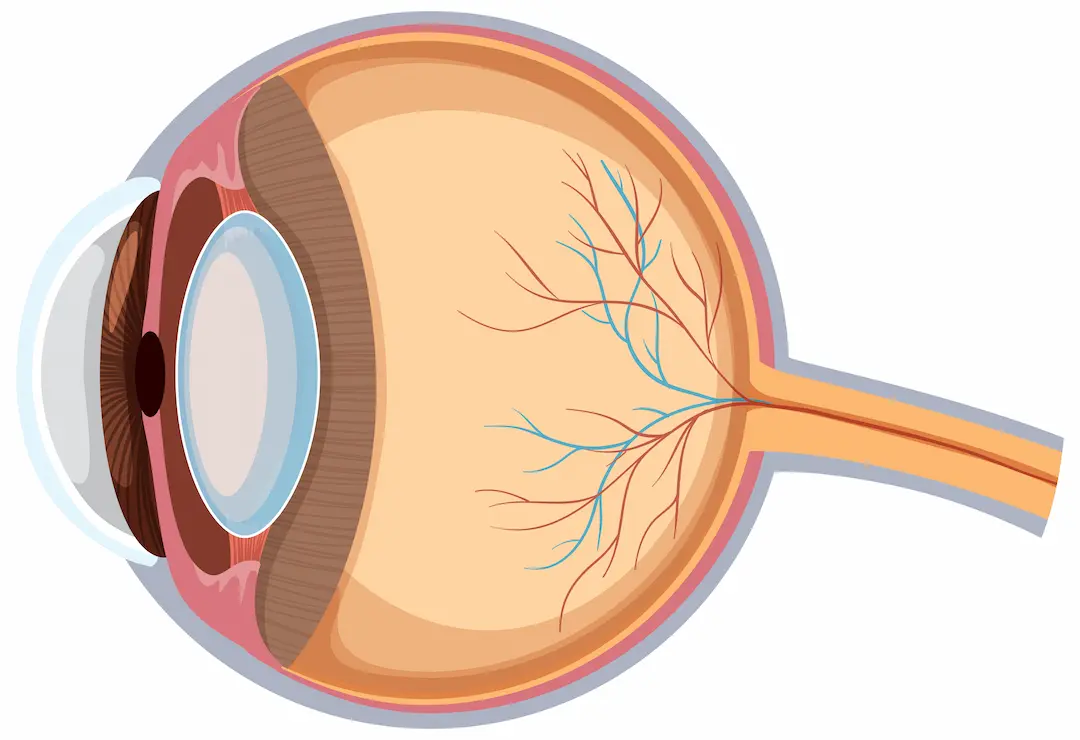
Diabetic retinopathy is an eye condition caused by high sugar levels damaging tiny blood vessels in the retina—the delicate “camera film” at the back of your eye.
The retina’s job is to capture light and send signals to your brain. When its blood vessels get weak or blocked, you may experience blurry, patchy, or lost vision.
The scary part? In early stages, diabetic retinopathy has no symptoms at all and that’s why retina checkup in Patna is so important for anyone with diabetes.
Why Is Diabetic Retinopathy So Serious?
- It is a leading cause of blindness among working-age adults.
- Vision loss from advanced cases is often permanent.
- Daily life—reading, driving, working, or recognizing faces—becomes very hard.
- With rising diabetes cases in India, more families in Patna are at risk.
But the silver lining is simple: with early detection and diabetic retinopathy treatment in Patna, most people can save their sight.
Signs and Symptoms
Though it may start silently, here are signs to watch for:
- Blurry or changing vision
- Floaters (small dark spots moving in sight)
- Empty or dark areas in vision
- Trouble seeing at night
- Sudden loss of vision
If you notice these, don’t wait. Visit a retina specialist in Patna immediately for a proper checkup.
Types of Diabetic Retinopathy
- Non-Proliferative (NPDR) – Early stage. Blood vessels leak small amounts of fluid. Vision may be normal, but damage is happening quietly.
- Proliferative (PDR) – Advanced stage. Weak new blood vessels grow, bleed, and may cause retinal detachment.
Both stages need close monitoring and timely treatment.
Who Is at Risk?
You’re more likely to develop diabetic retinopathy if you:
- Have had diabetes for many years.
- Struggle to keep sugar levels under control.
- Also have high blood pressure or cholesterol.
- Smoke regularly.
- Are pregnant and diabetic.
This is why regular retina checkup in Patna is non-negotiable for diabetic patients.
Prevention: How to Protect Your Retina
- Control Blood Sugar – Follow diet, exercise, and medicines properly.
- Monitor Pressure and Cholesterol – Both harm the eye’s blood vessels.
- Avoid Smoking – It worsens eye damage.
- Yearly Eye Exams – Even without symptoms, visit the best retina doctor in Patna for screening.
- Follow Medical Advice – Never skip medicines or follow-ups.
At Navjyoti, doctors give personalized care plans to help patients protect their retina health step by step.
Treatments for Diabetic Retinopathy
Depending on severity, treatments may include:
1) Laser Therapy
What it is:
Laser therapy uses a tiny, very focused beam of light — like a little flashlight the doctor aims inside the eye — to seal leaking blood vessels or to stop unhealthy new vessels from growing. Think of it as “spot-welding” small leaks so the retina can heal.
Who it helps:
People with early or moderate diabetic retinopathy where small leaks or fragile new vessels are visible and when swelling threatens vision.
How it’s done:
You sit in a chair, the doctor places numbing drops in your eye, a special contact lens may be used, and short pulses of laser light are applied. The procedure is usually done in the clinic and takes 10-30 minutes.
What you feel:
You may feel a little pressure from the contact lens and a brief flash of light. Numbing drops keep it comfortable; most people don’t feel real pain.
Benefits:
Laser reduces further bleeding and leakages and lowers the chance of serious vision loss. It’s proven to stabilize many cases.
Possible side effects:
Temporary blurry or dim vision, mild eye discomfort, or slight color changes in peripheral vision. Rarely, some central vision may be affected depending on where the laser is needed.
Aftercare & recovery:
Rest that day, use any prescribed eye drops, and attend follow-ups. Vision often stabilizes; sometimes multiple sessions are needed.
2) Injections (into the eye) – anti-VEGF and steroid injections
What it is:
A doctor gives a tiny medicine directly into the eye to reduce swelling and stop harmful blood vessels from growing. The most common medicines are called anti-VEGF drugs and there are also steroid injections for certain cases.
Who it helps:
People with diabetic macular edema i.e swelling of the central retina, or active new vessel growth that causes leakage or bleeding.
How it’s done:
You get numbing drops so you don’t feel sharp pain and the doctor gently injects the medicine through the white part of the eye into the back of the eye. The procedure usually takes a few minutes and is done in the clinic.
What you feel:
After numbing, you may feel pressure or a sensation but usually not sharp pain. Some people notice mild soreness or watering afterward.
Benefits:
Injections can reduce swelling, improve clarity of vision and prevent further vision loss. Many patients see improvement over repeated treatments.
Possible side effects:
Temporary redness, slight pain, or floaters. Rare but serious risks include infection inside the eye -endophthalmitis, or increased eye pressure. These are uncommon but require immediate attention if symptoms occur.
Aftercare & recovery:
Keep the eye clean, use prescribed drops and go to follow-up visits. Often multiple injections are needed over weeks or months and if you notice severe pain, sudden vision loss, or increased redness, contact your doctor right away.
3) Vitrectomy Surgery – for advanced or severe cases
What it is:
Vitrectomy is a delicate eye surgery where the surgeon removes the jelly-like substance inside the eye—the vitreous, that may be clouded with blood or pulling on the retina. This lets the surgeon remove scar tissue, stop bleeding and repair the retina.
Who it helps:
People with severe bleeding inside the eye, scar tissue that is tugging on the retina or retinal detachment caused by diabetic changes — situations where laser or injections are not enough.
How it’s done:
This is an operating-room procedure, usually under local or general anesthesia. Tiny instruments are used through small cuts in the eye to remove the vitreous, clear blood, and gently peel scar tissue. The retina is then repaired and, in some cases, replaced with a gas bubble or a clear fluid to hold it in place.
What you feel:
You won’t feel pain during surgery because of anesthesia. After surgery, you may feel soreness, mild pressure, or grittiness—these are normal and controlled with medicines.
Benefits:
Vitrectomy can clear bleeding, relieve pulling on the retina, and reattach the retina, giving a good chance to restore or stabilize vision in advanced cases.
Possible side effects & risks:
As with any surgery, risks include infection, bleeding, increased eye pressure, or cataract progression. Some people need more than one procedure. Your surgeon will explain the specific risks for your eye.
Aftercare & recovery:
Recovery varies. If a gas bubble is used, you may need to keep your head in a special position for a few days to weeks. Avoid flying until your doctor says it’s safe. Eye drops and follow-ups are important. Vision may be blurry at first and improve over weeks to months.
Helpful tips — things to ask and watch for
- Ask your doctor: Why do you recommend this treatment for me? What results can I realistically expect? How many sessions might I need?
- Ask about recovery: How long will I need to rest? Any medicines or eye drops to use? Any travel or activity limits?
- Know the red flags: sudden pain, sudden loss of vision, severe redness, or increasing floaters — contact your retina team immediately.
- Bring a family member to appointments when possible — support helps, and it’s useful to have someone else remember instructions.
A gentle final note
All three treatments — laser, injections and vitrectomy, are valuable tools. The right choice depends on the stage and specifics of the eye problem. Early detection with regular retina checkups makes less invasive treatments more likely to work, so encourage loved ones with diabetes to have regular eye exams. Experienced retina teams for example, at specialist centers will explain options kindly and help you choose what’s safest for your eyes.
At Navjyoti Superspeciality Eye Hospital, all these are available under one roof. Patients benefit from advanced technology, experienced care and guidance from a trusted retina specialist in Patna.
Why Choose Navjyoti Superspeciality Eye Hospital?
When it comes to retina treatment in Patna, Navjyoti has earned a reputation for excellence. Here’s why:
- Expert Team – Patients meet some of the best retina doctors in Patna, with years of successful experience.
- Modern Equipment – World-class machines ensure accurate diagnosis.
- Full Services – From early checks to complex retinal detachment surgery in Patna families may need.
- Special Diabetes Care – Tailored diabetic retinopathy treatment in Patna for every stage.
- Warm Approach – Patients are treated with kindness, patience, and respect.
Daily Tips for Diabetic Eye Care
- Eat colorful fruits and vegetables like spinach and carrots.
- Limit sugary foods and fried snacks.
- Walk daily and stay active.
- Take diabetes medicines or insulin on time.
- Book yearly appointments with a trusted retina specialist in Patna.
Stories of Hope
Story 1: The Retired Teacher’s Journey
Mrs. Sharma, a retired school teacher, had always loved reading books and teaching children in her neighborhood. Slowly, she noticed her vision becoming blurry, making it difficult to read even large print. Worried, her family brought her to Navjyoti. After a detailed check, doctors found early diabetic retinopathy. With timely diabetic retinopathy treatment in Patna, her vision was restored. Today, she happily reads again and even says, “It feels like getting my life back.”
Story 2: The Young Man’s Close Call
A 32-year-old office worker, Mr. Kumar, thought his diabetes was “under control.” He rarely got his eyes checked because his vision felt fine. One day, after noticing mild floaters, he finally went for a retina checkup in Patna at Navjyoti Superspeciality Eye Hospital. Doctors discovered the early stages of diabetic retinopathy. With quick treatment and lifestyle advice, he avoided vision loss. Now, he never misses his yearly checkups and encourages his friends with diabetes to do the same.
Story 3: The Recovery After Surgery
Mr. Verma, a 50-year-old businessman, came to Navjyoti with sudden vision loss in one eye. He had ignored warning signs like flashes of light for weeks, thinking they would “go away.” By the time he visited, his retina had detached. Doctors at Navjyoti performed a safe retinal detachment surgery. After recovery, he could see clearly again and was deeply thankful, saying, “The doctors not only saved my sight but also gave me hope.”
These stories show how expert care can save vision—and change lives.
Final Thoughts
Diabetic retinopathy may sound scary, but with care and prevention, blindness can often be avoided. The key is simple:
- Get regular screenings.
- Manage diabetes well.
- Choose the best retina doctors in Patna for treatment.
At Navjyoti Superspeciality Eye Hospital, patients receive advanced retina treatment in Patna, including early detection, injections and safe surgeries. From routine checks to complex cases, every step is handled with compassion and expertise.
Your eyes are precious. Don’t wait for problems—protect them today with love and care.